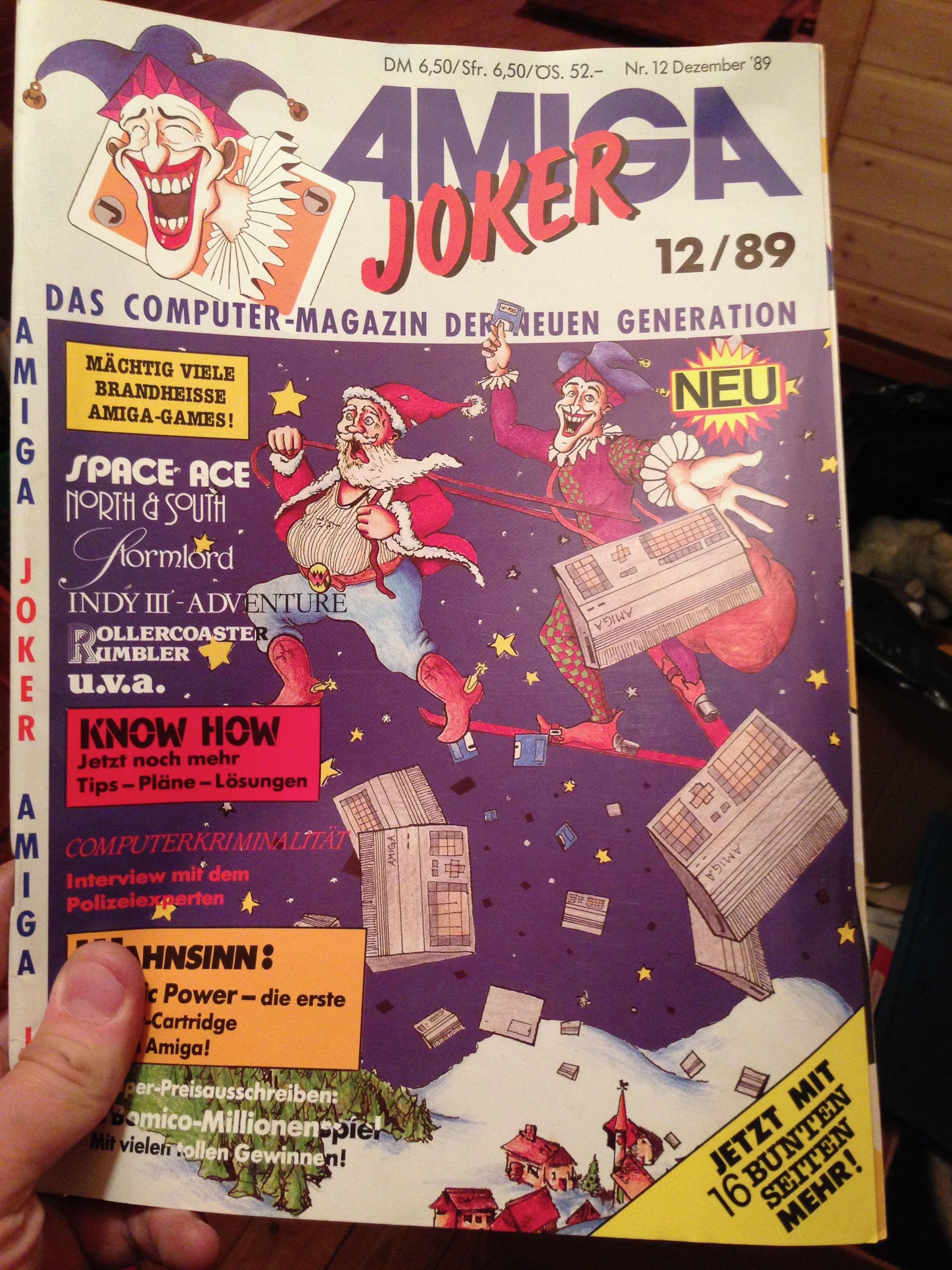
It didn't start with the Amiga. Before that came a Commodore C16, then a C64 with a 1541 floppy drive — mostly games, some BASIC, the usual trajectory. But the Amiga is where it got serious. My father kept sponsoring the hardware — first an A500, then an upgrade to the A2000 with two floppy drives, and eventually a hard drive. He didn't fully understand what I was doing with it, but he understood that I needed it. That support was everything.
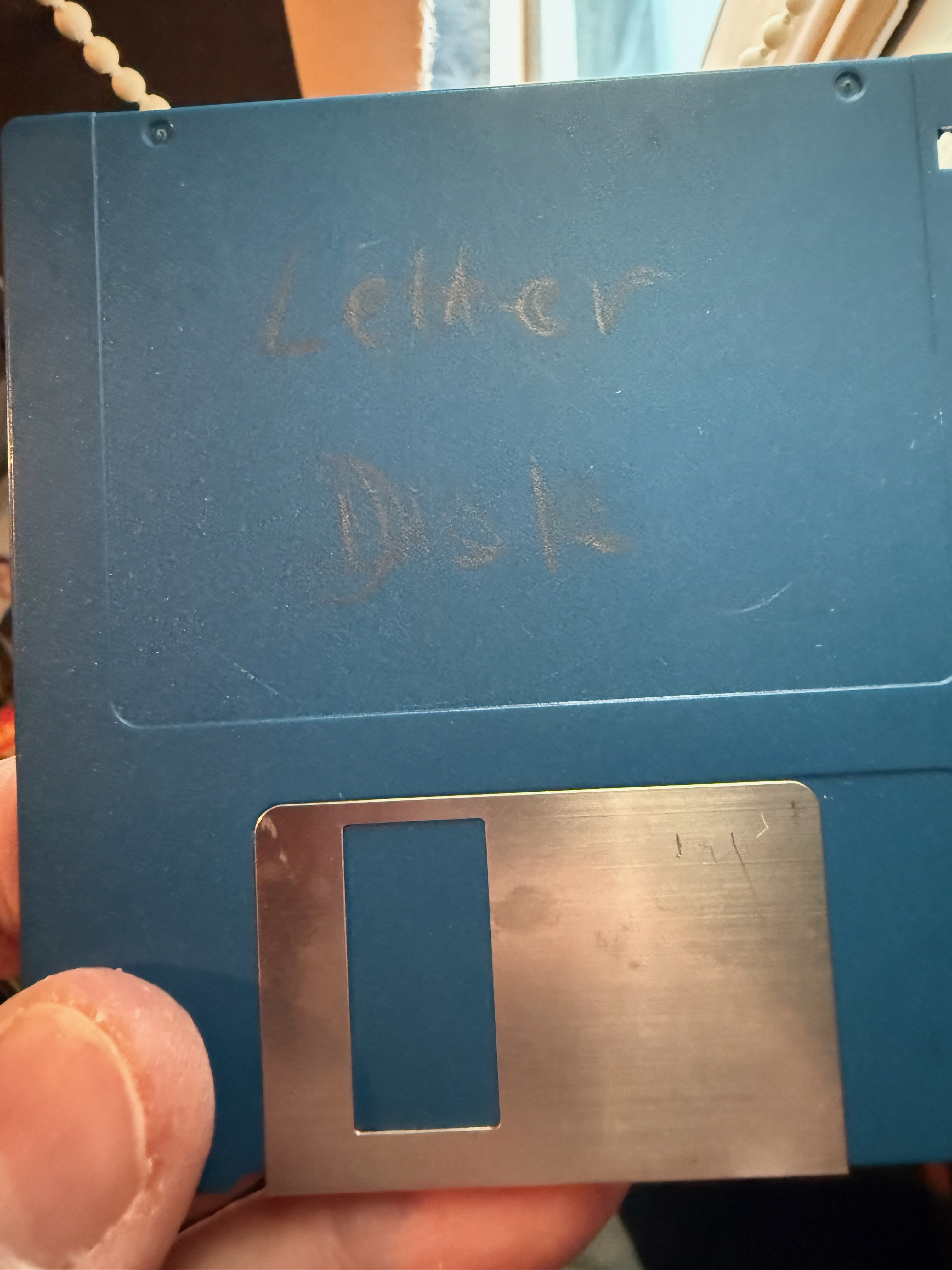
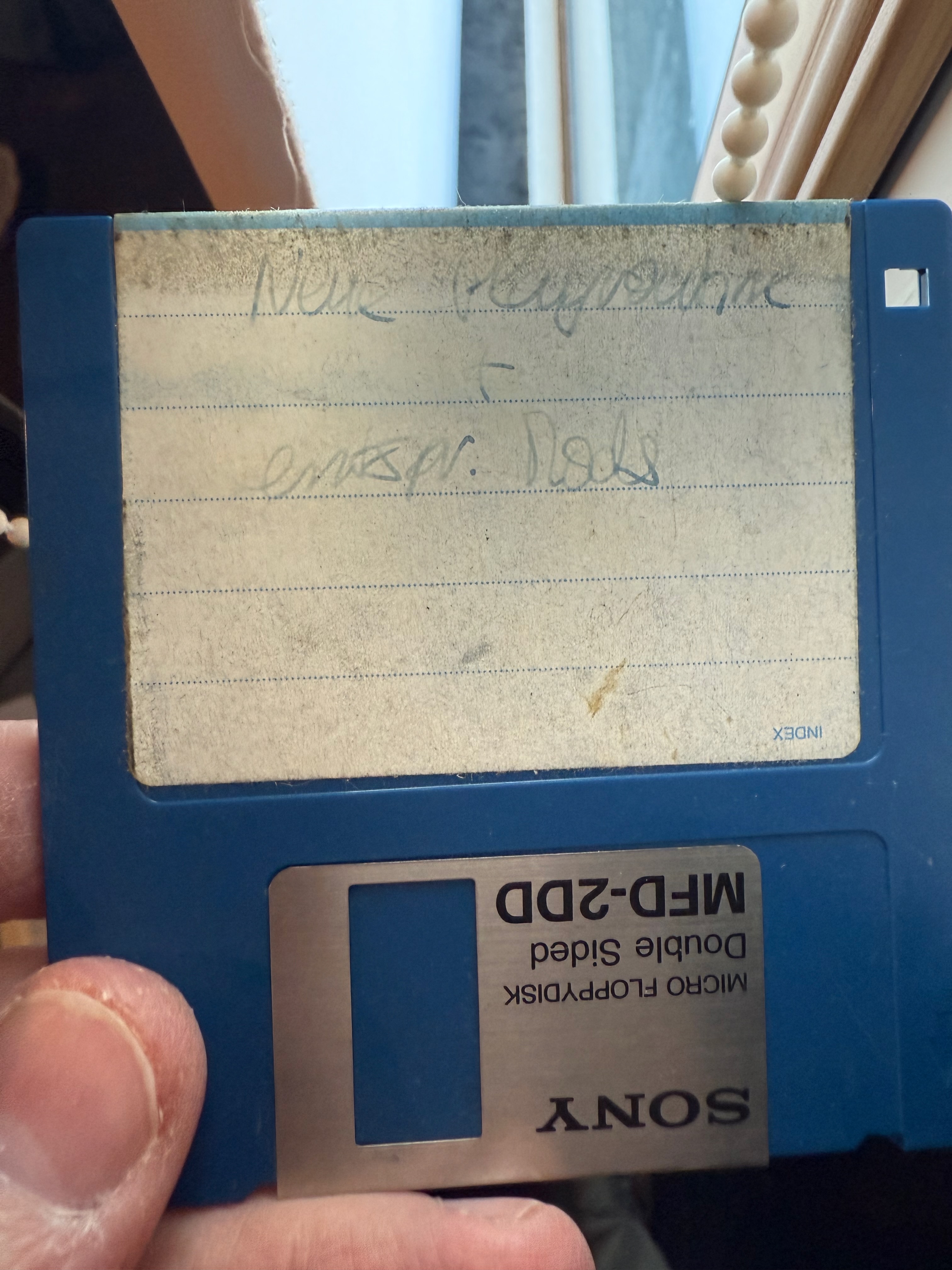
There was no internet. The scene communicated via BBS (chatting, message boards), actual postal mail, or in person at scene events. And then there were "letter disks" — 3.5" floppies mailed through the postal system. The nerd version of pen pals. You'd write your message to a friend, but instead of just putting it on paper, you'd code a little intro around it — sine wave scrollers, copper effects, custom fonts. A way to say "hello" while showing off your skills. The letter was the medium and the medium was the flex.
CompuCamp — 1989
CompuCamp was a German computer and sports camp for kids aged 8 to 20. "Computer- und Sportferien — das Programm der Superlative!" Courses in BASIC, Pascal, machine language, six different Amiga tracks, plus sports like skiing, windsurfing, and judo. I went multiple times, starting around age 13.
The problem: I already knew most of the material. I had taught myself 68000 assembly from books and magazines before attending. So the social experience was predictably awkward — I'd already outpaced the curriculum, which tends to be socially isolating regardless of the camp.
But I did win first place in the boomerang construction competition. Still have those two boomerangs in a drawer somewhere.
Eventually the instructor asked me to teach the 68000 assembly lesson. I was 14 years old, standing in front of a room full of kids, explaining Motorola opcodes and addressing modes. The teacher had run out of things to teach me, so I became the teacher instead.
68000 Assembly — The Language
The Amiga's CPU was the Motorola 68000. Elegant instruction set. 32-bit registers in a 16-bit world. I learned it the only way that worked for me: reading, trying, failing, understanding. Books. Magazines. The Seka Assembler. Hours of staring at hex dumps and register states.
The Amiga's custom chipset — Agnus, Denise, Paula — controlled graphics, sprites, and audio through memory-mapped registers. Writing to $dff080 set up the copper list. Writing to $dff096 controlled DMA channels. You didn't call an API. You talked directly to the silicon.
I reverse-engineered demos to understand how they worked. Found a demo I liked — the "Babbnasendemo" — and traced through the entire thing. No fancy tools. I read the disassembly on screen and wrote the code down on graph paper. By hand. Multiple A4 pages of move.l, swap, dbf, jsr — tracing execution paths through copper lists, blitter operations, and audio DMA setup.
I ripped music playback routines from demos by reverse engineering them, then wrote my own tools to dump and decode tracker modules from memory. At 16, I was doing the same thing I'd do at 26 with IDA Pro and Xbox kernels — just with a pen and paper instead of a disassembler.
The BBS — 1991-1992
I ran it on the family phone line. An Ami-Express (AmiEx) BBS, accessible to anyone who knew the number. Which meant: when the BBS was online, nobody in the family could make phone calls. And when someone dialed in from across Germany, the phone bill went up.
800 Deutschmarks in one month. My parents were furious. My father paid the bill anyway. He was angry, but he didn't shut it down. That distinction matters.
The BBS was affiliated with scene groups — Tarkus Team in 1991, then Supplex in 1992. I wasn't a cracker or a trainer coder. I was the sysop. I ran the infrastructure. And I built tools for it.
The Tools
Ami-Express was powerful BBS software, but I wanted more. So I coded my own extensions. All in 68000 assembly:
Building BBS tools in assembly was what brought me into the scene in the first place. I wasn't there for the warez. I was there because I liked building infrastructure and making systems work better. The same impulse that would later drive me to build web platforms, trading tools, and eventually a DAC from scratch.
What happened:
At 18, I gave the entire BBS setup to a friend. He ran it for a while longer. I was moving out, trying to find a job, attempting to "get serious." The hyperfocus shifted from the Amiga scene to music production — a thread that would run for the next two decades.
The Commodore era ended, but the patterns it established never did. Every project on this site traces back to the same impulses that drove a 13-year-old to teach himself assembly from magazines: understand how the machine works, build tools that make things better, find your people through the work.